
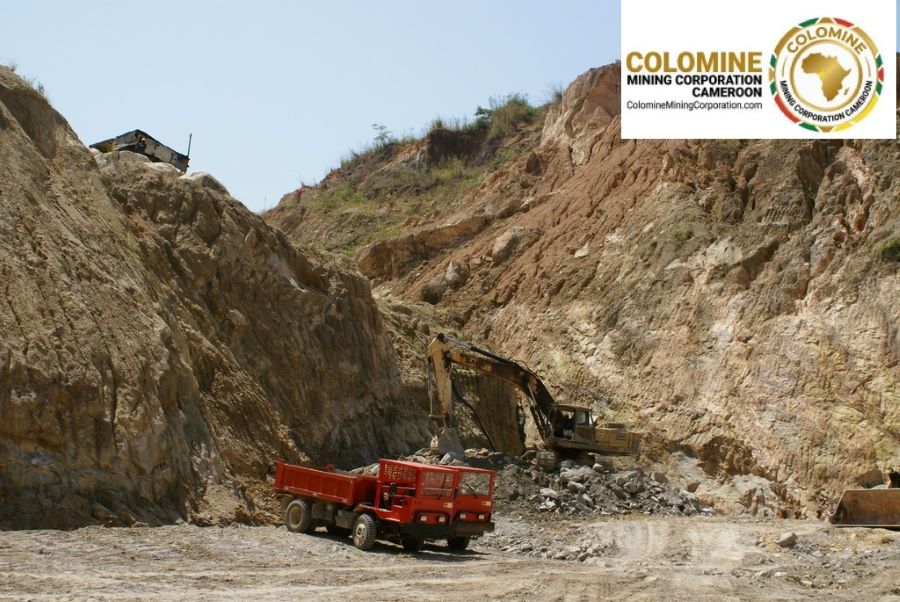
Export Gold Bullion to Germany: Legal Procedure 2026/2027
Can you export gold bullion to Germany? Yes. It is legal when you meet the export rules of the country you ship from and the German and EU import rules, which include customs declarations, anti-money-laundering checks and the correct tax treatment. This guide explains the process step by step, covers German customs cash-declaration rules for bullion, explains costs and VAT, and highlights differences for shipments from India, the UK, Dubai and the USA.
It is written for gold traders, refiners, jewellery manufacturers, institutional investors and industrial buyers. It reflects the compliance-first approach of Colomine Mining Corporation (COMINCOR SA). This article is general information, not legal, customs or tax advice. Rules change, so confirm current requirements with German customs and a qualified adviser before you ship.
Key Takeaways to Export Gold Bullion to Germany
- German customs treats gold bullion bars and nuggets (99.5% fineness or higher) as “cash” for declaration purposes. Entering Germany from outside the EU with a total of EUR 10,000 or more requires a written declaration.
- Commercial shipments also need a customs declaration, a clear commercial invoice and proof of origin and ownership.
- Investment gold that qualifies under section 25c of the German VAT Act is generally VAT-exempt. Confirm how this applies to your import.
- Expect AML/KYC checks on both sides. Use a refiner on a recognised list and keep chain-of-custody records.
- Costs come from freight, insurance, security, brokerage, assay and bank fees. Get itemised quotes.
Why Germany Is a Major Destination for Gold Bullion
Germany is one of Europe’s deepest markets for physical gold. It has a strong investor culture, large refining and fabrication industries, and active institutional demand. That makes it attractive for exporters who can show clean documentation and reliable supply.
Typical buyers include:
- Refiners and mints that melt or fabricate bars and coins.
- Bullion banks and precious metals traders.
- Jewellery and watch manufacturers.
- Electronics and industrial manufacturers.
- Institutional investors and private investors.
Exporting Gold Bullion to Germany Step by Step
- Confirm legal title and origin. You need proof the gold is yours to sell, with mine, refinery or purchase records.
- Check export rules in the origin country. Many countries require a licence, permit or approved exporter status, and some restrict who can export bullion.
- Agree the sale. Use a written contract with product specification, price basis, Incoterms, payment terms, inspection rights and dispute resolution.
- Complete KYC and AML checks. Both parties verify identity, beneficial ownership, source of funds and sanctions status.
- Prepare documents. Commercial invoice, packing list, assay or refinery certificate, export permit, origin documents and transport documents.
- Appoint a licensed carrier and insurer. Use security-vetted logistics for precious metals with all-risk cover.
- Lodge the export declaration. Clear customs in the country of departure.
- Clear German import. The importer or its customs agent files the import declaration, supplies required documents and handles any cash-control declaration.
- Inspect and settle. Verify weight and fineness on arrival, then release payment under the agreed terms.
German Customs Rules for Gold Bullion
Cash Declaration for Gold Bars
Export Gold Bullion to Germany, German customs (Zoll) lists gold among the items treated as “cash” under EU cash-control rules. For travel into Germany from a non-EU country, anyone carrying cash totalling EUR 10,000 or more must declare it in writing, unprompted, and the declaration is free of charge. Customs defines cash to include gold bullion in the form of bars or nuggets with a gold content of at least 99.5%, and, in a separate category, items such as bullion below that fineness and coins, which must be declared orally when an official asks and the total reaches EUR 10,000. Air travellers submit the form at the red exit.
The obligation also applies to air travellers in transit through an EU airport’s international zone, and in a customs check you must explain the origin, economic beneficiary and intended use of cash or equivalents even if the total is below the threshold.
Key point: The EUR 10,000 declaration rule applies to gold carried by a person. Commercial consignments sent through freight forwarders follow commercial customs procedures. Ask your customs agent which route applies to your shipment, and never assume a courier consignment avoids declaration duties.
Importing From Another EU Country
Within the EU there is no routine border declaration, but customs can ask you to declare cash and equivalents when carrying EUR 10,000 or more, and to explain origin, beneficiary and purpose. Jewellery and goods made of precious metals are not treated as cash equivalents for this rule.
Commercial Import Basics
- Importers normally need an EORI number to lodge customs declarations in the EU.
- Declarations are filed through the German customs IT system, usually by a customs broker.
- Unwrought and semi-manufactured gold falls under tariff heading 7108. Confirm the exact code with customs.
- Keep invoices, assay reports and transport records for audit.
VAT and Duties on Gold Bullion in Germany
Investment gold, such as bars, plates and certain coins that meet statutory criteria under section 25c of the German VAT Act (UStG), is generally VAT-exempt. Many foreign gold coins fall outside that exemption, so product details matter. Whether and how import VAT applies to a specific commercial import depends on the product, its status as investment gold and the declaration route. Get written confirmation from your customs broker or tax adviser before the first shipment. [Add verified detail from a German tax adviser.]
| Item | Typical treatment | Action |
|---|---|---|
| Investment gold bars | Generally VAT-exempt if criteria are met | Confirm qualification and import treatment |
| Certain foreign gold coins | May not qualify for exemption | Check coin criteria |
| Gold jewellery | Taxable goods, not cash equivalents | Declare as goods, check allowances |
| Doré or scrap gold | Different treatment, extra checks | Seek specialist advice |
How Much Does Exporting Gold Bullion to Germany Cost?
Searches for “exporting gold bullion to Germany cost” have no single answer, because cost depends on weight, value, route and service level. Build your estimate from these components:
| Cost item | What drives it |
|---|---|
| Freight and secure logistics | Weight, distance, security level, carrier |
| Insurance | Declared value, route, vault-to-vault coverage |
| Export fees and permits | Origin country rules |
| Customs brokerage | Declaration complexity, number of lines |
| Assay and testing | Lot size, lab, re-assay on arrival |
| Bank and payment fees | Currency, settlement method, letters of credit |
| Taxes and duties | Product classification and VAT treatment |
Insurance and security are usually a small percentage of cargo value but become the main cost driver on high-value shipments. Request itemised quotes from at least two specialist carriers.
Exporting Gold Bullion to Europe: Country Differences
Rules differ by origin country. Use this as a starting map, not as legal advice.
Exporting Gold Bullion to Germany From India
India regulates gold imports and exports tightly, and bullion exports are generally limited to approved or nominated entities. Private travellers cannot simply carry bars out. Check current rules with Indian authorities and a licensed exporter before you plan any shipment. [Add verified current Indian regulatory references.] On arrival in Germany, EU cash-declaration and customs rules apply.
Exporting Gold Bullion to Germany From the UK
Since Brexit, the UK is outside the EU customs union, so UK-to-Germany shipments need an export declaration in the UK and an import declaration in Germany. The UK has a mature bullion market and many LBMA-accredited refiners, which simplifies origin and assay evidence. Confirm VAT treatment with HMRC and your German broker.
Carrying Gold From Dubai to Germany
Dubai is a major gold trading hub. For commercial exports, use licensed UAE traders and refiners and follow UAE export documentation. For travellers, the EUR 10,000 German declaration rule applies on entry. Gold jewellery, by contrast, is treated as goods and is subject to personal allowances, which German customs guidance for returning travellers has cited as EUR 430 by air or sea and EUR 300 by other routes. Confirm current allowances with Zoll.
Exporting Gold Bullion to Europe From the USA
US exports require export reporting and, where thresholds apply, electronic filing and monetary-instrument reporting for physical transport of certain amounts. Work with a US customs broker and a bullion-experienced carrier. On the German side the same EU import and cash-control rules apply.
How Much Gold Can I Carry to Germany Without Tax?
People often search “how much gold can I carry from India to Germany without tax” or “how much gold jewellery can I carry to Germany.” There are two separate questions:
- Cash-control declaration: Bullion bars and certain coins count toward the EUR 10,000 declaration threshold when entering from outside the EU.
- Duty and VAT allowances: Jewellery and other goods fall under traveller allowances. These are modest, so valuable pieces can trigger duty and VAT.
If you carry high-value gold, declare it, keep purchase receipts and use the red channel. The exit rules of your departure country, such as India, also apply and may be stricter. Export Gold Bullion to Germany, For anything above personal use, use a licensed commercial shipment instead.
Gold Declaration at German Airports
- Total the value of cash and equivalents, including gold bars and coins.
- If you are at or above EUR 10,000 and entering from outside the EU, complete the written cash declaration (online service or form).
- Submit it at the red exit.
- Carry proof of ownership, origin and purpose.
Compliance: AML, Sanctions and Responsible Sourcing
Gold is a high-risk commodity for money laundering, so German buyers and banks apply strict checks. Prepare for these questions:
- Who owns the gold, and who benefits from the sale?
- Where was it mined or refined, and can you prove it?
- How was it financed, and where do the funds come from?
- Is any party sanctioned or politically exposed?
Useful benchmarks include the OECD Due Diligence Guidance, the FATF recommendations, and the LBMA Responsible Gold Guidance. The EU Conflict Minerals Regulation also places supply-chain due diligence duties on certain importers of gold. Check whether your German buyer is covered and what evidence it expects.
Documents Checklist for Exporting Gold Bars to Germany
- Commercial invoice and packing list with weights, fineness and serial numbers
- Assay or refinery certificate (preferably from an LBMA-accredited refiner)
- Export licence or permit from the origin country, where required
- Proof of origin and chain of custody
- Importer’s EORI number and customs declaration
- Transport documents and insurance certificate
- KYC and beneficial ownership documents for both parties
- Cash declaration (if carried by a person and above threshold)
Common Questions From Reddit and Forums
Forum threads on exporting gold bars to Germany often ask whether you can “just carry it,” whether duty is due, and whether customs will seize it. The honest answer: carrying gold is not illegal, but failing to declare it or to explain its origin is what creates problems. Forum advice is anecdotal and out of date quickly. Rely on Zoll, your customs broker and legal counsel for decisions with real money attached.
How to Buy Gold Bars in Germany
If you are a German buyer or visitor, bars are sold by banks, precious metals dealers and online bullion shops. Compare premium over spot, buy-back price, delivery and storage. Gold that qualifies as investment gold is generally VAT-exempt. Keep invoices, and check identity-verification and cash-payment limits, which apply to larger purchases. See also our guide on buying gold bars from Africa. [Replace with the real URL.]
Gold nach Deutschland einführen: Kurzüberblick
Wer Gold aus einem Nicht-EU-Staat nach Deutschland einführt, muss bei Barmitteln und gleichgestellten Zahlungsmitteln ab 10.000 Euro eine Anmeldung beim Zoll abgeben. Dazu zählen unter anderem Goldbarren und Goldmünzen mit hohem Feingehalt. Gewerbliche Sendungen benötigen eine Zollanmeldung, Rechnungen und Herkunftsnachweise. Anlagegold ist nach § 25c UStG grundsätzlich umsatzsteuerfrei, sofern die Voraussetzungen erfüllt sind. Lassen Sie sich vor dem Versand vom Zoll oder einem Steuerberater beraten.
Expert Insights
[Insert a 2 to 3 sentence quote from a named COMINCOR SA executive or compliance officer on export documentation and European buyer requirements, with name, title and experience.]
German buyers rarely reject gold because of purity. They reject it because paperwork is incomplete. Exporters who prepare origin, assay and ownership documents before they ship, and who agree the customs route in advance, avoid most delays and detention risks.
Common Mistakes to Avoid
- Not declaring gold bars at or above EUR 10,000 when entering from outside the EU.
- Treating a courier shipment as exempt from customs formalities.
- Ignoring export permits in the origin country.
- Shipping without KYC, origin and assay documents.
- Assuming all gold coins and bars get the same VAT treatment.
- Under-insuring or using non-specialist carriers.
- Relying on forum posts instead of official guidance.
Best Practices for Exporting Gold Bullion to Germany
- Use a customs broker experienced with precious metals and German import.
- Agree Incoterms and who handles customs, VAT and insurance in writing.
- Use LBMA-accredited refiner products where possible.
- Pay through bank settlement, letter of credit or escrow.
- Re-assay on arrival and record results.
- Keep full records for audits, typically for several years.
- Review rules before every shipment, because they change.
Frequently Asked Questions
Can I export gold bullion to Germany?
Yes, if you comply with export rules in the origin country and German and EU import, customs, AML and tax requirements.
Do I have to declare gold bars when entering Germany?
If you enter from outside the EU with cash and equivalents of EUR 10,000 or more, including bullion bars of 99.5% or higher, you must declare in writing.
What is the German customs gold declaration threshold?
The cash-control threshold is EUR 10,000 in total value, covering cash and certain gold items.
How much gold jewellery can I carry to Germany?
Jewellery is treated as goods, not cash. Personal duty-free allowances are modest, so declare valuable pieces and keep receipts.
Is gold VAT-exempt in Germany?
Qualifying investment gold under section 25c UStG is generally VAT-exempt. Some foreign coins and other gold products are not.
What does exporting gold bullion to Germany cost?
Cost depends on freight, insurance, security, brokerage, assay, fees and taxes. Get itemised quotes from specialist carriers.
Can I export gold bars from India to Germany?
India restricts bullion exports, usually to approved entities. Check current Indian rules, then follow German import and declaration requirements.
What changed for UK gold exports to Germany after Brexit?
UK-to-Germany shipments now need UK export and German import declarations because the UK is outside the EU customs union.
How much gold can I carry from Dubai to Germany?
There is no fixed gram limit for bullion, but you must declare cash equivalents of EUR 10,000 or more. Jewellery follows traveller allowances.
What documents do I need to export gold bullion to Europe?
Invoice, packing list, assay certificate, export permit, origin proof, transport and insurance documents, and KYC records.
Do I need an EORI number to import gold into Germany?
Businesses normally need an EORI number to file EU customs declarations. Your customs broker can confirm.
Can gold be seized at German customs?
Customs can detain gold if declarations are missing or origin is unclear. Proper declarations and documents reduce this risk.
Conclusion: Export Gold Bullion to Germany With Confidence
Exporting gold bullion to Germany works smoothly when your documents, declarations and compliance checks are ready before the shipment leaves. Know the EUR 10,000 declaration rule, confirm VAT treatment, price your logistics properly and use specialists at every step.
Request a Verified Gold Supply Quote
Need compliant, documented gold for European delivery? Contact COMINCOR SA to discuss your requirements. [Add licence numbers, address and registered contact details.]
Leave a Reply